🌎 Welcome to Wild Aldhurst – Nature’s New Home in Suffolk
Have you ever wondered how we can create places where wildlife thrives? Let’s take a virtual tour of Wild Aldhurst (formerly Aldhurst Farm), a nature reserve built by Sizewell C.
Just a few years ago, this place was used for farming onions, but now it’s a magnet for wildlife, offering 6 hectares of wetlands and 60 hectares of grassland and heathland for nature and quiet public recreation.
🦋 Reedbeds: Wetlands Bursting with Life
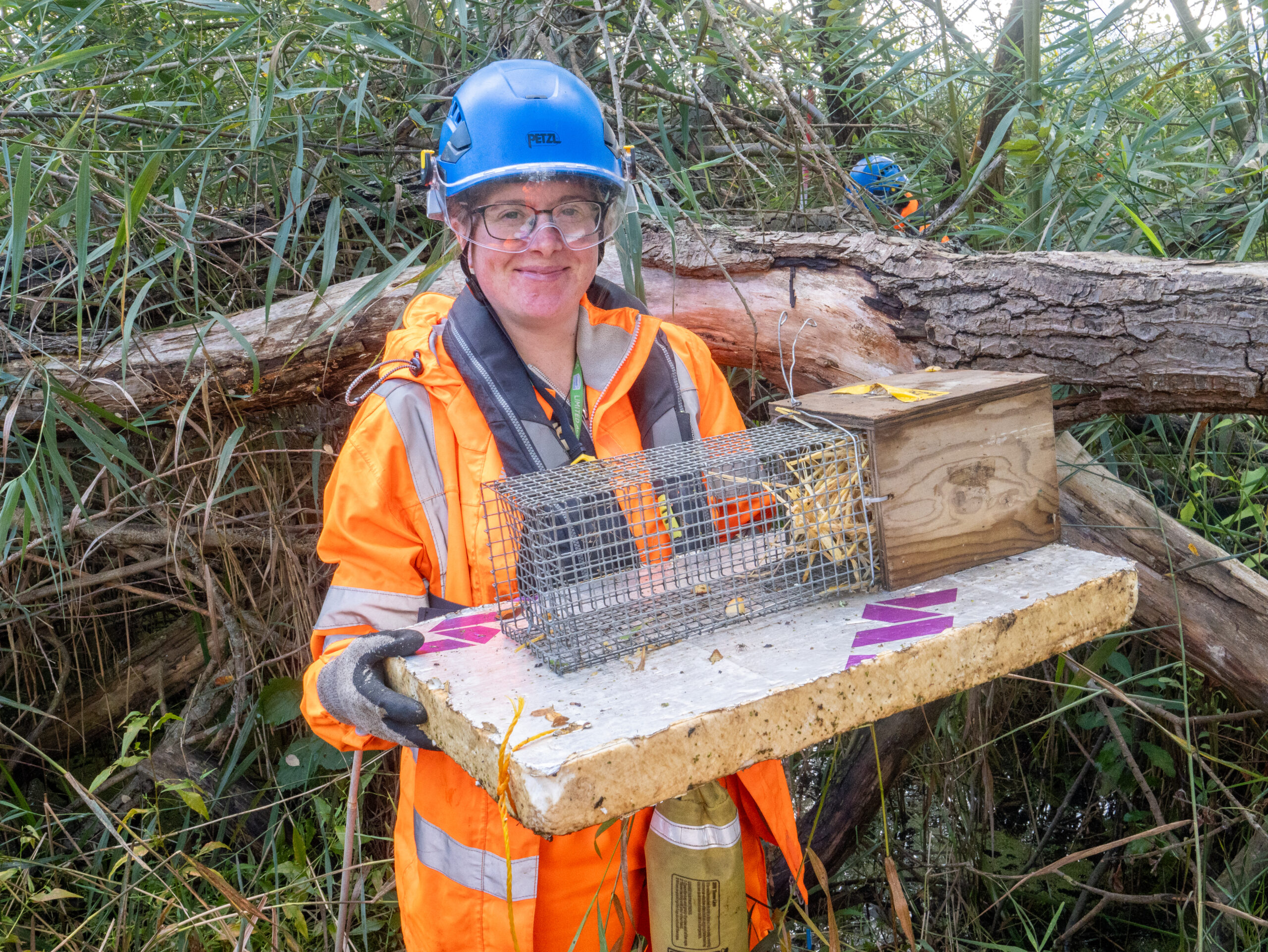
One of the most amazing parts of Wild Aldhurst is its reedbeds—and would you believe they’re only a few years old? These reedbeds were carefully designed alongside open water areas to create a perfect home for all sorts of wildlife. This combination boosts biodiversity, meaning more birds, insects and plants can thrive here.
To help nature along, the team spread slobbings (mud and plants) from nearby ditches, bringing seeds, invertebrates and larvae that helped the wetlands flourish.
🌿 From Onion Fields to Heathlands
Just up the hill from the wetlands, you’ll find fields now growing heather instead of onions! The team worked hard to recreate the famous Sandlings Heath, connecting local areas like Leiston to Suffolk’s beautiful Heritage Coast.
But why heather? It’s a slow grower, but super important for creating habitats for insects and birds. To get the heathland started, peat from the wetland areas was spread over the fields, making the soil more acidic—just how nature likes it!
They also worked with Suffolk Wildlife Trust, using leftover heather brashings (bits from trimmed heather) that brought seeds and insects, speeding up the area’s transformation.
🌼 Sign up for Young SZC and explore how heathlands support biodiversity.
🌳 A Vision for the Future: More Nature, More Wildlife
Sizewell C isn’t stopping there! With 800 hectares of land planned for conservation, the project’s big vision includes:
- Setting up an Environmental Trust to manage the land.
- Ensuring 19% net biodiversity gains, meaning even more wildlife will thrive here.
💡 Join Young SZC today and be part of this incredible journey towards a greener future!